


In Tomodachi Life: Living the Dream, one of the most misunderstood aspects of gameplay is the relationship system. Many players believe friendships, romances, rivalries, and marriages happen completely randomly. While the game does include unpredictable behavior, experienced players know there are hidden patterns and controllable mechanics behind island social development.
A major “Tips & Tricks” issue players struggle with is this: how to consistently influence relationship outcomes without causing social instability across the island. Many players accidentally create chaotic islands where Miis constantly fight, fail relationships, reject confessions, or become socially isolated. Others struggle to trigger marriages, friendships, or balanced interactions even after many in-game days.
This guide dives deeply into advanced relationship manipulation strategies, emotional balancing, compatibility optimization, apartment positioning, timing systems, gift usage, personality synchronization, and social management techniques. Instead of random experimentation, this article teaches how to intentionally shape your island into a stable and entertaining social ecosystem.
Understanding Why Relationship Management Controls the Entire Island Experience
Relationships are the foundation of Tomodachi Life gameplay.
Without healthy social systems, island progression becomes inconsistent.
Why relationships matter
Relationships influence:
• Events
• Confessions
• Friendships
• Marriages
• Group interactions
Common beginner misconception
Many players think the system is entirely luck-based.
In reality, player decisions strongly influence outcomes.
Key insight
Your island behaves like a social ecosystem, not a collection of isolated Miis.
Step One: Building Personality Balance Across the Island
Personality distribution affects long-term social stability.
Why personality balance matters
Too many similar personalities create repetitive interactions.
Too many conflicting personalities increase fights.
Personality categories
Energetic personalities
Create active social dynamics.
Calm personalities
Stabilize emotional interactions.
Advanced strategy
Mix personalities carefully instead of creating extreme imbalance.
Common mistake
Filling the island with only favorite characters without considering compatibility.
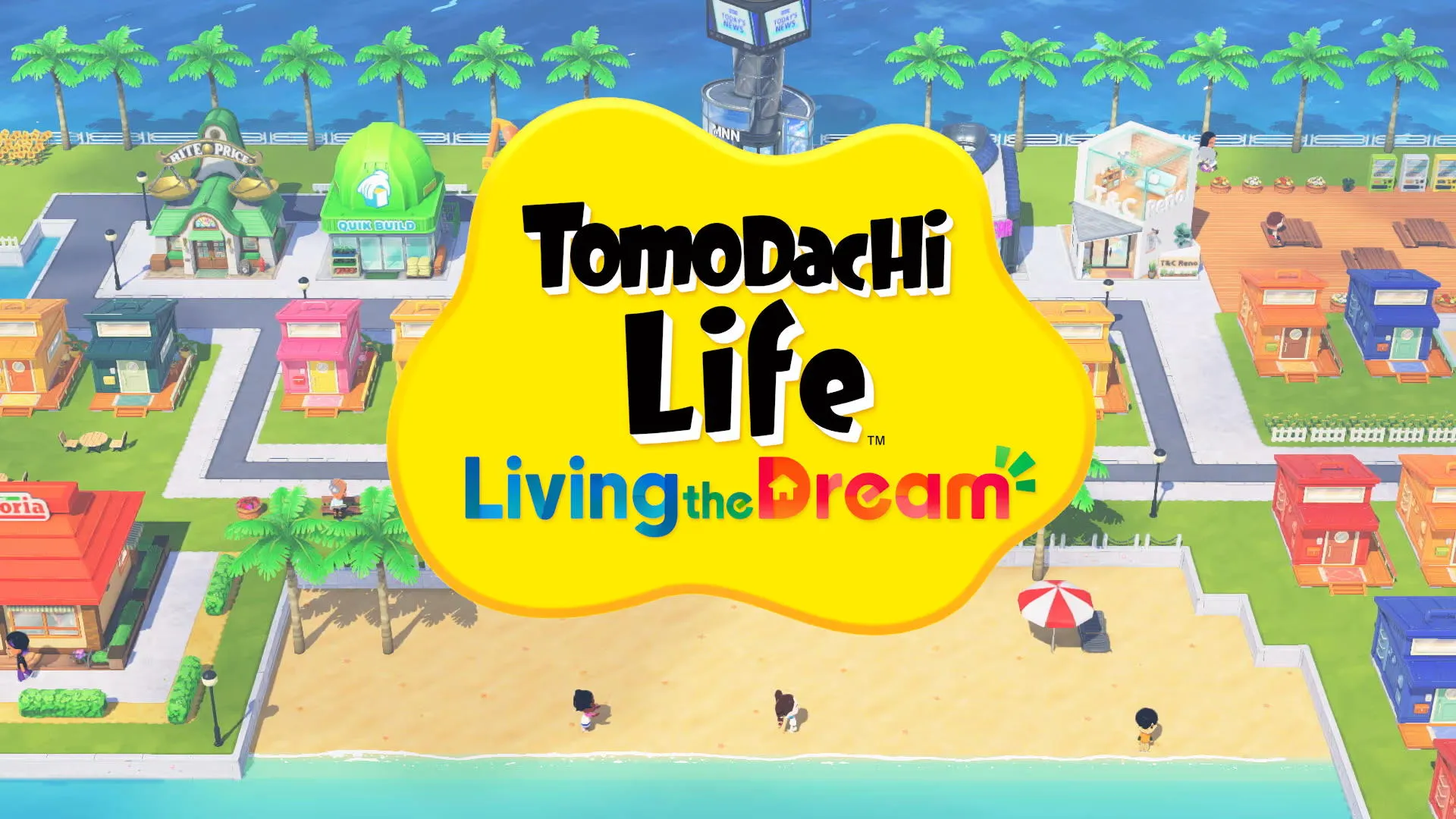
Step Two: Using Apartment Placement to Influence Interaction Frequency
Apartment positioning affects who interacts most often.
How apartment systems work
Miis near each other interact more frequently.
Smart apartment strategies
Place compatible Miis nearby
Increase friendship opportunities.
Separate high-conflict personalities
Reduce argument frequency.
Long-term effects
Apartment layouts gradually shape island social networks.
Key principle
Proximity creates relationships faster than randomness alone.
Step Three: Timing Conversations and Emotional States Properly
Emotional timing strongly affects interaction outcomes.
Why timing matters
Miis behave differently depending on mood states.
Best times for relationship development
Positive emotional states
Higher success rates for interactions.
Post-conflict recovery periods
Good for rebuilding friendships.
Avoid relationship pushes during
• Sadness
• Anger
• Emotional instability
Advanced insight
Mood management is one of the hidden systems behind stable islands.
Step Four: Manipulating Friendship Growth Through Shared Activities
Activities create social bonding opportunities.
Strong friendship-building activities
• Shared gifts
• Group events
• Compatible hobbies
How hobbies influence compatibility
Miis with overlapping interests interact more naturally.
Strategic gift planning
Give complementary items
Encourage similar routines.
Avoid isolating hobbies repeatedly
Prevent social disconnection.
Important principle
Shared routines strengthen relationship consistency.
Step Five: Understanding Romantic Compatibility Beyond Surface Traits
Romance systems are more complex than they appear.
Hidden compatibility factors
Personality interaction
Some types naturally cooperate better.
Existing friendship level
Romance builds more easily from strong friendships.
Social timing
Confession timing matters heavily.
Common romance mistake
Forcing confessions too early.
Advanced strategy
Develop strong social foundations before encouraging romance.
Step Six: Reducing Island Conflict Without Eliminating Drama
Completely peaceful islands become repetitive.
However, excessive conflict destabilizes the game.
Healthy conflict balance
A small amount of drama creates:
• Dynamic storytelling
• Relationship development
• Memorable events
Dangerous instability signs
• Constant arguments
• Social isolation
• Frequent rejection loops
Smart conflict management
Resolve conflicts quickly
Prevent emotional chain reactions.
Avoid concentrating incompatible Miis together
Reduce repeated tension.
Key insight
Controlled chaos creates the best island experiences.
Step Seven: Triggering Successful Confessions More Consistently
Confessions are heavily influenced by preparation.
Successful confession factors
• Strong friendship history
• Positive mood states
• Limited romantic competition
How to improve confession success
Increase interaction frequency first
Build familiarity naturally.
Reduce emotional stress beforehand
Avoid confessions during unstable periods.
Common failure pattern
Players rush romance progression immediately after introductions.
Step Eight: Managing Marriages and Long-Term Relationship Stability
Marriage is not the end of relationship management.
Post-marriage challenges
• Relationship stagnation
• Reduced interaction variety
• Emotional imbalance
Long-term marriage stability tips
Continue gifting shared activities
Maintain connection growth.
Avoid isolating couples entirely
Preserve wider social interactions.
Why this matters
Stable marriages help stabilize the entire island environment.
Step Nine: Creating Balanced Social Networks Across Large Islands
Large islands become difficult to manage manually.
Common large-island problems
• Social fragmentation
• Isolated Miis
• Repetitive interaction clusters
Advanced network management
Rotate apartment arrangements periodically
Refresh social opportunities.
Introduce bridging personalities
Connect disconnected groups.
Key principle
Every Mii should remain socially connected to the larger island ecosystem.
Step Ten: Building a Long-Term Self-Sustaining Island Ecosystem
The ultimate goal is social sustainability.
Self-sustaining island characteristics
• Balanced friendships
• Stable romances
• Controlled conflict
• Diverse interactions
Long-term maintenance habits
Monitor emotional trends
Prevent instability before it spreads.
Adjust social structures gradually
Avoid sudden disruptive changes.
Final insight
The best Tomodachi Life islands feel alive because their social systems evolve naturally under controlled guidance.
Conclusion
Mastering relationship manipulation in Tomodachi Life: Living the Dream requires far more than random experimentation or simple luck. By understanding personality balance, apartment positioning, emotional timing, friendship systems, romantic compatibility, conflict management, and long-term social stability, players can intentionally shape dynamic and engaging island ecosystems. The most successful islands are not perfectly peaceful or completely chaotic—they are carefully balanced environments where relationships evolve naturally while remaining socially stable. Over time, managing these systems transforms the game from a casual simulation into a deep social strategy experience filled with memorable interactions and evolving stories.